

Luck or skill which dominates the world of gambling
The Nature of Gambling: Luck vs. Skill
Gambling is a multifaceted realm where participants often debate the dominance of luck versus skill. At its core, gambling is defined as risking something of value on an outcome that is largely uncertain. Luck plays a significant role in many games, especially in scenarios involving random outcomes, such as slot machines or roulette. In these cases, the roll of the dice or the spin of the wheel can be entirely unpredictable, leaving players at the mercy of chance. For those interested in an exciting gaming experience, Zoccer Casino provides numerous options that emphasize the thrill of chance.
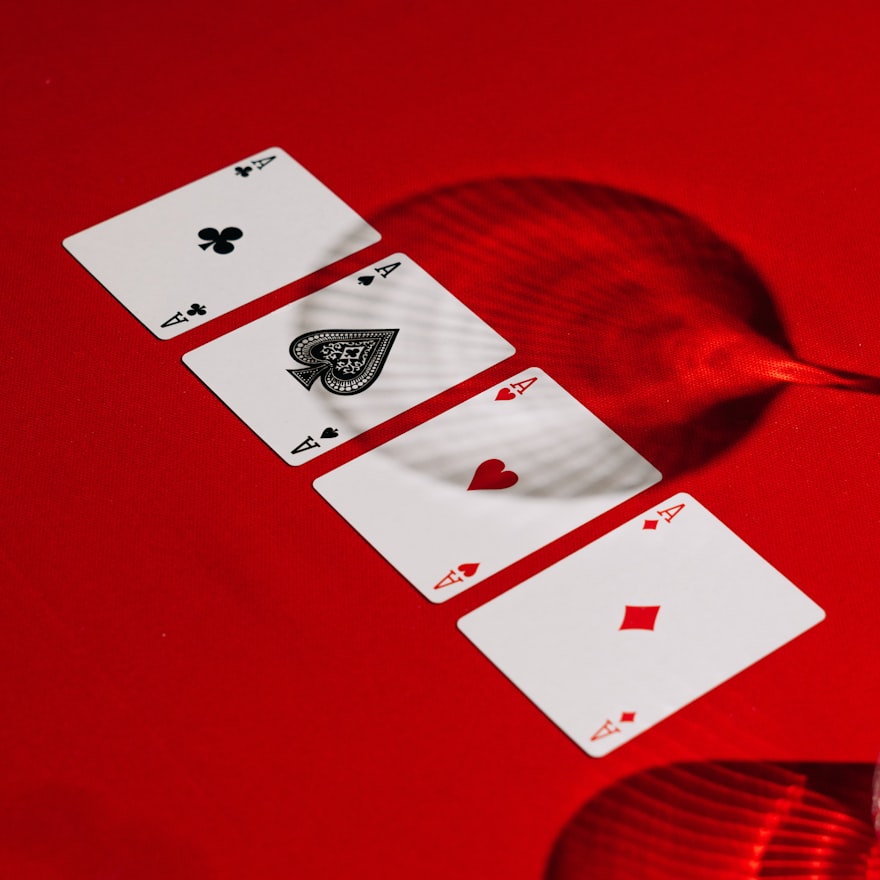
Conversely, skill-based games like poker and blackjack require players to employ strategy, knowledge, and experience to succeed. In poker, for instance, understanding the odds and employing tactics such as bluffing can greatly influence the outcome. This blend of psychology and mathematics illustrates that while luck may provide an initial advantage, it is often the skilled player who ultimately prevails in the long run.
The ongoing debate reflects broader themes within the gambling industry. Many casinos have designed their games to ensure that luck plays a prominent role to attract casual players seeking excitement. Yet, serious players gravitate towards games where skill can tip the scales in their favor, leading to an interesting juxtaposition within gambling culture.
The Role of Psychology in Gambling
Understanding the psychological aspects of gambling is crucial in exploring whether luck or skill dominates. Many players are influenced by cognitive biases that skew their perception of odds and outcomes. For example, the «gambler’s fallacy» leads individuals to believe that past events can influence future ones, often underestimating the role of chance in random games. This misconception can lead to overconfidence in one’s ability to control outcomes based solely on skill or past success.
Moreover, emotional decision-making can also cloud judgment in high-stakes scenarios. Players may enter a gambling session feeling lucky, which can impact their strategies. While skilled players maintain a level-headed approach, newcomers often let their emotions dictate their actions. Understanding the psychology behind these tendencies can help individuals recognize the interplay of skill and luck in their gambling experiences.
This psychological interplay not only affects individual players but also influences overall gambling trends. Casinos harness these psychological factors in their marketing and game design, creating environments that heighten the thrill of chance while simultaneously promoting skill-based games. This dual approach keeps both casual and serious gamblers engaged, underlining the necessity of understanding these psychological dynamics within the gambling landscape.
Types of Games: How Luck and Skill Interact
The types of games available in casinos significantly highlight the interaction between luck and skill. Games such as roulette and slots are primarily governed by chance, making them appealing to those who prefer a quicker, more exhilarating gambling experience. Players can easily get swept away by the excitement of chance, where even a small wager can lead to life-changing payouts. This randomness keeps the thrill alive, but it also emphasizes the sheer unpredictability inherent in these games.
In contrast, table games like poker and blackjack require a much higher degree of skill and strategy. These games involve significant player interaction, where decisions made in real-time can drastically alter outcomes. A player’s knowledge of probabilities and their ability to read opponents can mean the difference between winning and losing. This demonstrates that while luck may still play a role in short-term scenarios, skill often becomes the determining factor in longer sessions.
The distinctions between these types of games also impact the demographic of gamblers who frequent casinos. Casual players may be drawn to luck-based games for the immediate thrills, while seasoned gamblers may seek out skill-oriented games for the intellectual challenge they present. Recognizing these preferences helps casinos cater to various audiences, ensuring both types of players find something appealing in the gambling experience.
The Casino’s Perspective on Luck and Skill
From a casino’s perspective, the balance between luck and skill is crucial for profitability and customer retention. Casinos design their games to ensure that they maintain a house edge, a statistical advantage that secures the casino’s profitability over time. In luck-based games, the house edge is straightforward, making it easy to manage the risk involved. These games attract many players, contributing significantly to overall revenue.
However, skill-based games provide casinos with a unique opportunity to engage players on a deeper level. Offering tournaments in games like poker not only brings in significant revenue but also fosters a community among skilled players. This community aspect encourages repeat visits, as players seek to improve their skills and compete against others, effectively creating a loyal customer base.
Moreover, the ambiance and design of casinos play a vital role in how luck and skill are perceived. The vibrant lights and sounds surrounding slot machines create an illusion of constant excitement, while the quieter, more focused environments of table games encourage strategic thinking. By understanding how these factors influence player behavior, casinos can better align their offerings with the preferences of both luck-seekers and skill-players.
Exploring the Balance: Where to Play
Finding the right balance between luck and skill is essential for players looking to maximize their gambling experience. Before engaging in any game, individuals should assess their own preferences and strengths. If someone thrives on strategy and decision-making, they might find greater satisfaction in poker or blackjack. In contrast, players who enjoy the thrill of chance may prefer the instant gratification of slots or roulette.
Additionally, understanding the odds and rules of each game is vital. Players should educate themselves on how skill can enhance their chances of winning, especially in games where strategy plays a pivotal role. This knowledge not only helps in making informed decisions but also enhances the overall enjoyment of the gambling experience.
Ultimately, the best approach may involve a combination of both types of games. Engaging in luck-based games for spontaneous fun while also participating in skill-based games for a strategic challenge can lead to a well-rounded gambling experience. This balance caters to the diverse motivations and preferences of players, contributing to a richer interaction with the world of gambling.
Conclusion: Understanding the Dynamics of Gambling
In conclusion, the debate surrounding luck and skill in gambling is a complex and nuanced topic. While luck undeniably plays a crucial role in many games, skill often becomes the defining factor in others. Understanding these dynamics allows players to make more informed decisions and tailor their gambling experiences to their preferences.
Casinos recognize the importance of this balance, designing environments and games that cater to both casual and serious players. By acknowledging the psychological factors at play and the types of games available, individuals can enhance their gambling experiences, whether they are in search of quick thrills or strategic challenges. Ultimately, the interplay between luck and skill will continue to shape the gambling landscape, inviting players to explore the infinite possibilities that lie within.