

The Illusion of Guaranteed Wins
One of the most pervasive myths surrounding casino gambling is the belief that players can guarantee wins through specific strategies or systems. Many individuals fall prey to the notion that they can «beat the house» by following a certain formula or betting pattern, often looking for the best options like a fast paypal withdrawal casino to increase their chances. The reality, however, is that all casino games are designed with a built-in advantage for the house. This means that while players can have short-term wins, the long-term odds are always in favor of the casino. Understanding this fundamental principle is crucial to enjoying gambling responsibly and recognizing it as a form of entertainment.
This misconception can lead to significant financial losses. Gamblers often invest money in systems claiming to have a high success rate, only to find themselves in a cycle of loss. The allure of a system that can supposedly eliminate chance is a powerful draw; however, it is essential to recognize that the thrill of gambling lies in its unpredictability. Gambling should be viewed as a form of entertainment rather than a reliable way to make money. When players understand that luck plays a significant role, they can approach gaming with a healthier mindset, focusing on enjoyment rather than profit.
Moreover, the myth of guaranteed wins can foster unrealistic expectations that lead to emotional decision-making. Players may chase their losses, thinking that one more round could turn their fortunes around. This can create a dangerous precedent, as it may encourage reckless betting behaviors and contribute to gambling addiction. Understanding the nature of chance and the built-in odds of games is crucial for maintaining a healthy relationship with gambling. By recognizing that no strategy can guarantee success, players can better manage their expectations and enjoy the experience without undue stress.
The Casino Environment and Its Influence
Another myth is that the casino environment is tailored to manipulate players into losing control over their gambling habits. While it is true that casinos design their spaces to evoke excitement and prolong the time spent on the floor, the notion that every aspect is a deliberate ploy to extract money from patrons is an oversimplification. Casinos aim to create an enjoyable atmosphere through themes, lighting, and sounds, intending to enhance the entertainment experience. This carefully crafted ambiance is designed to immerse players in a world of excitement, but it is not solely about manipulation.
The combination of elements like free drinks, enticing music, and vibrant decor is indeed aimed at keeping players engaged. However, the responsibility for self-control still lies with the individual. Many gamblers underestimate their ability to set limits, often forgetting that they have the power to take breaks or walk away at any moment. It is crucial for players to be aware of their habits and recognize when the enjoyment of the game is turning into something more detrimental. By maintaining awareness of their emotional and financial states, players can better navigate the casino landscape without succumbing to its pressures.
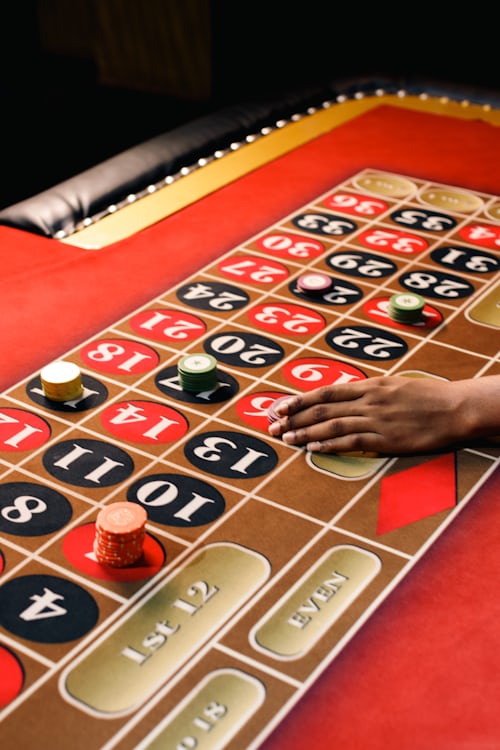
Additionally, the casino’s design can also serve practical functions that maintain safety and ensure that players are aware of their surroundings. Security personnel and surveillance systems are in place not only to protect the casino’s assets but also to safeguard the patrons. As such, while the environment is created for entertainment, players should stay mindful of their gambling behaviors and focus on enjoying the experience rather than falling prey to the illusion of being trapped within it. By understanding the dual purpose of the environment, players can appreciate the entertainment while exercising their personal agency.
The Myth of Skill-Based Games
Many gamblers believe that skill-based games, such as poker, provide a greater opportunity for winning compared to games of pure chance like slots or roulette. While it is true that skill plays a role in games like poker where strategy and psychology are involved, this does not negate the fact that chance is still a significant factor. Players often become overly confident in their skills, attributing wins to their abilities rather than the inherent luck involved in any gambling scenario. This belief can lead to overconfidence, resulting in larger bets and potentially substantial losses.
In poker, although experience and strategy can improve one’s chances of winning, the randomness of card distribution ultimately dictates the outcome of each hand. This reality applies to other games with a skill component as well. Players should remain grounded in the understanding that even the most skilled gambler cannot predict the next outcome with certainty. For those new to these games, it is essential to approach them with a mindset that focuses on enjoyment rather than solely on potential winnings. By doing so, players can appreciate the complexities of skill-based games while recognizing the role of luck.
Moreover, drawing a false equivalence between skill-based and chance-based games can lead to significant misconceptions about the nature of gambling. New players may mistakenly assume they can master poker quickly, leading to financial losses and disappointment. Understanding the balance between skill and luck is vital to having a realistic outlook on gambling, ensuring players can enjoy the game while minimizing their risks. Ultimately, acknowledging the unpredictability inherent in all forms of gambling can foster a healthier and more enjoyable gaming experience.
The Social Stigma of Gambling
The stigma surrounding gambling often fuels misconceptions about who engages in casino games and the nature of their behaviors. Many people view gambling as a vice or a mark of moral weakness, leading to a variety of misunderstandings about the average gambler. Statistics show that millions of individuals enjoy casino gambling as a form of entertainment without any issues. However, the narratives focused on addiction often overshadow these positive experiences. Challenging these stereotypes is essential to understanding the broader picture of gambling and its role in society.

It is essential to recognize that while gambling does have the potential to become problematic for some, the majority of players participate responsibly. This stigma can discourage individuals from seeking help or talking openly about their gambling habits, leading to feelings of isolation. By fostering a more open dialogue about gambling and its various forms, society can help to mitigate some of the harmful stereotypes and promote healthier relationships with the activity. Encouraging responsible gaming practices and conversations can dismantle harmful narratives and support those who may struggle.
An understanding of responsible gambling practices is key in changing the social narrative. By encouraging patrons to engage with gambling as a recreational activity and promoting awareness of the risks involved, communities can create an environment that supports healthy gaming. Challenging the stigma can pave the way for comprehensive support systems for those who may struggle while also celebrating the enjoyment that comes from responsible gambling. This shift in perspective is crucial for building a more inclusive and supportive culture surrounding gambling.
Exploring Responsible Gaming Resources
For those interested in exploring the world of casino gambling, numerous resources are available to promote responsible gaming. Many casinos and online platforms offer information on safe gambling practices and how to recognize the signs of problematic behavior. These resources serve as essential tools for players who wish to maintain control over their gambling habits and enjoy the entertainment without falling into addiction. By educating themselves, players can make informed decisions and establish healthy boundaries.
Additionally, various organizations provide support and information for individuals struggling with gambling addiction. These groups offer counseling and educational programs that help people understand the nature of their gambling behaviors and develop healthier coping mechanisms. By taking advantage of these resources, players can foster a healthier relationship with gambling, allowing them to engage responsibly and enjoyably. Community support plays a vital role in promoting responsible gambling, making it crucial for individuals to seek assistance when needed.
Moreover, the importance of community cannot be overstated. Engaging with friends and family about gambling habits can create a support network that encourages accountability and responsible practices. Online forums also exist where players can share their experiences and insights. By leveraging these resources and maintaining communication, individuals can enhance their gambling experiences while minimizing risks and dispelling myths about casino gaming. Ultimately, fostering a culture of openness and support can help ensure that gambling remains a fun and enjoyable activity for all.